Blog Details
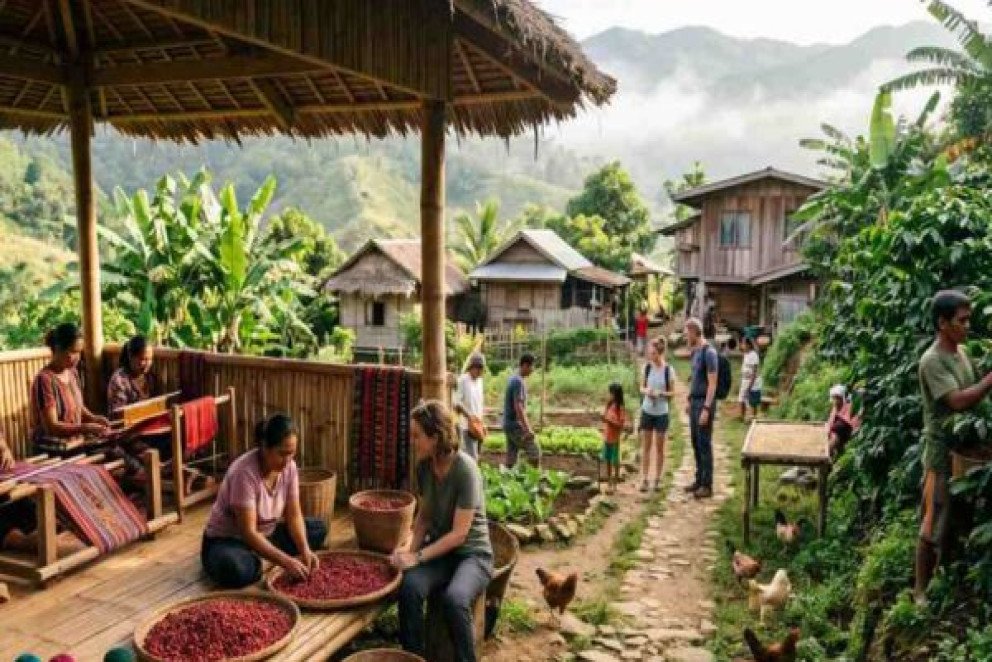
Philippines Boosts Rural Tourism Through Coffee & Local Artisans
The rise in temperature and the dense population are resulting in the rising search for cooler places at the rate of 74% per annum in Asia. However, the secondary provinces lack the required skills along with having the problem of uncontrolled accommodation and safety to raise spending. To increase the international spending beyond the average regional amount of $1,085 per individual visiting the region in 2024, there is a tendency towards the move from early village introduction to the verification of the quality of the tourism offer in Southeast Asia. This can be evidenced from the example of verification of guides, processing facilities and weavers’ co-operatives for women in order to attract international commercial customers through the recently created routes in Kasibu, Philippines.Across Southeast Asia and the wider Asia-Pacific region, a structural pivot away from volume-driven recovery toward audited, higher-yielding territorial dispersal has been entered by tourism ministries. As of November 2026, a dual operational challenge is faced by destination management organisations (DMOs) and inbound tour operators: rising traveller appetite for cooler, lower-density highland landscapes besides persistent service and licensing bottlenecks across rural supply chains. Bridging that operational gap has been established as the central priority of regional tourism governance for the remainder of the decade.
Source: Travel and Tour World